Common problems when booking Archway household rubbish collection
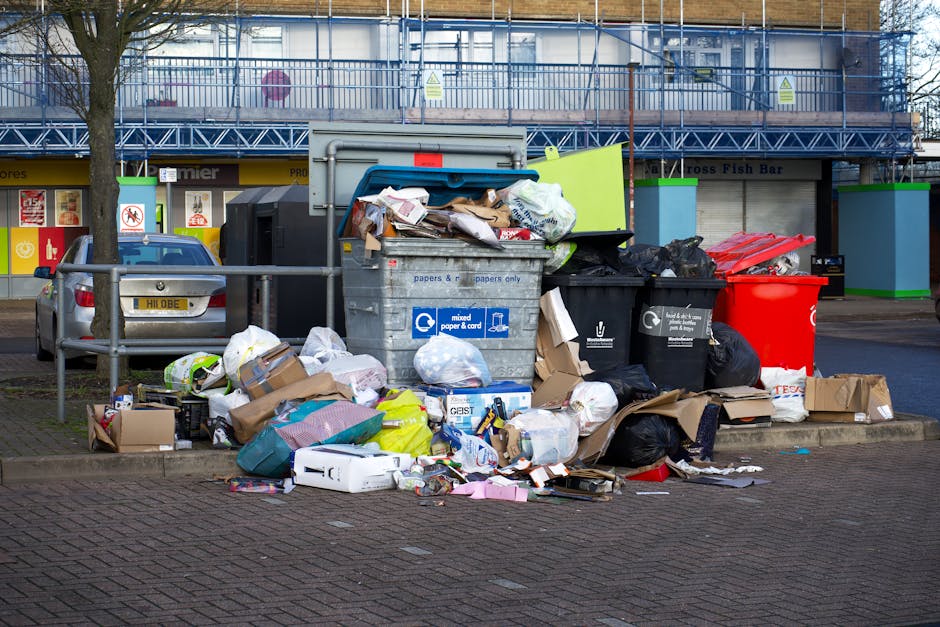
Booking a household rubbish collection in Archway should feel straightforward. In reality, people often run into avoidable snags: unclear pricing, access issues, missed item lists, awkward timing, and confusion about what can actually be taken. If you are trying to clear a flat, a family home, or just a garden full of mixed waste, those little problems can snowball fast. The good news? Most of them are easy to prevent once you know what to look for.
This guide walks through the common problems when booking Archway household rubbish collection, why they happen, and how to avoid the usual headaches. You will also find a practical checklist, a comparison table, and a realistic step-by-step process you can follow before you book. Let's keep it simple, useful, and a bit more human than the average "waste removal" page.
Table of Contents
- Why Common problems when booking Archway household rubbish collection Matters
- How Common problems when booking Archway household rubbish collection Works
- Key Benefits and Practical Advantages
- Who This Is For and When It Makes Sense
- Step-by-Step Guidance
- Expert Tips for Better Results
- Common Mistakes to Avoid
- Tools, Resources and Recommendations
- Law, Compliance, Standards, or Best Practice
- Options, Methods, or Comparison Table
- Case Study or Real-World Example
- Practical Checklist
- Conclusion
- Frequently Asked Questions
Why Common problems when booking Archway household rubbish collection Matters
Most people only book household rubbish collection when things are already a bit hectic. There is a loft to clear, old furniture to move, a builder's bag that has gone on forever, or boxes stacked in the hallway that you have been stepping around for weeks. In that moment, it is tempting to book quickly and hope for the best. That is usually where the problems start.
The most common issues are rarely dramatic. They are the everyday sort: the team arrives and realises they cannot access the property properly; the quote was based on a different volume of waste; the customer thought mattresses were included, but they were not; or the booking time clashes with school pickup, parking restrictions, or a neighbour's removal van. Small things. Annoying things. Very fixable things.
For Archway households, this matters even more because homes vary so much. You have terraced houses, flats, conversions, shared entrances, limited roadside space, and the kind of narrow access that makes even carrying a sofa feel like a small logistical event. Booking rubbish collection without checking the details can quickly turn a simple job into a longer, costlier one.
Practical takeaway: the best booking is not the fastest booking. It is the one where the waste type, access, timing, and price are all understood before anyone turns up with gloves on and a van door sliding open.
How Common problems when booking Archway household rubbish collection Works
Household rubbish collection usually follows a fairly simple process: you describe the waste, the provider estimates the job, a collection time is agreed, and the waste is removed. Easy enough on paper. The problems appear when the description is too vague or the property details are incomplete.
In practice, the collection team may need to confirm:
- what items are being removed
- how much waste there is
- where the waste is located in the property
- how easy it is to park and load
- whether any items need special handling
- if stairs, basements, lofts, or tight corridors are involved
A proper household rubbish collection is not just about lifting items into a van. It is also about planning the lift, the route, the parking, and the time needed. That is why services such as home clearance, house clearance, or flat clearance can be useful when you have more than a few loose bin bags. They help match the job to the actual size and shape of the property, which is where many bookings go wrong.
One quiet but important point: rubbish collection providers often work best when the customer is honest about the mess. Not polished. Not "just a couple of bits." Honest. A bit of honesty saves everyone time. And money, usually.
Key Benefits and Practical Advantages
Once the booking is set up properly, household rubbish collection can make life noticeably easier. The benefits are not flashy, but they are real.
- Less stress: you are not stuck making repeated trips to the tip or juggling heavy items yourself.
- Faster clearing: one booked visit can remove far more than a weekend of DIY shifting.
- Safer lifting: old cupboards, broken drawers, and damaged appliances can be awkward and risky to move alone.
- Better space: a cleared hallway, loft, garage, or spare room changes how your home feels immediately.
- More predictable planning: once collection time and scope are confirmed, the whole day becomes easier to organise.
There is also a practical knock-on effect. When your rubbish collection is booked properly, you avoid having to rebook, reschedule work, or keep waste sitting around another week. That may sound minor, but in a small Archway kitchen or a compact flat, one extra pile of waste can feel oddly large by Friday afternoon.
If your job includes bulky items like wardrobes, chairs, or old sofas, it can be worth looking at related services such as furniture clearance or furniture disposal. Those pages are helpful if your "household rubbish" is actually a mixed bundle of everyday waste plus awkward large items.
Who This Is For and When It Makes Sense
Household rubbish collection is for anyone who needs waste removed from a home without the hassle of doing it themselves. In Archway, that often includes:
- homeowners decluttering before a renovation or sale
- renters moving out and needing a last-minute clear-up
- landlords dealing with leftover items after a tenancy
- families clearing a loft, garage, or spare room
- people who have accumulated broken, bulky, or non-routine household waste
It makes sense when the waste is too much for the normal bin system, too awkward for a car boot, or too heavy to shift safely. It also makes sense when you need the job done around other commitments. Truth be told, most people do not have time to spend a Saturday arguing with an old wardrobe in the stairwell.
For smaller or more targeted jobs, the right page can vary. A cluttered attic might point you toward loft clearance. A dusty corner of boxes and broken storage might need garage clearance. If it is mostly waste rather than retained belongings, a broader waste removal service may be the better fit.
And if you are unsure which type of booking suits your job, that uncertainty itself is a clue that you should ask a few more questions before confirming anything.
Step-by-Step Guidance
Here is a straightforward way to avoid the common booking mistakes. No fluff, just the useful bits.
- List everything you want removed. Walk through the room, loft, shed, or hallway and write it down. Include bulky items, bags, broken pieces, and anything tucked behind doors or under stairs.
- Separate normal household rubbish from special items. Old furniture, mattresses, builders' debris, and garden waste can all change the booking. A mixed load is fine, but it should be described properly.
- Check access. Note staircases, narrow corridors, parking restrictions, and whether items need to pass through shared entrances. If you are in a flat, this part matters a lot.
- Ask how pricing is calculated. Some jobs are priced by volume, some by type of waste, and some by the amount of labour needed. Ask what is included before you agree.
- Confirm what cannot be taken. Certain items may require special handling or separate arrangements. It is better to know that upfront than on collection morning.
- Choose a realistic time window. Give yourself enough time to prepare the waste so the collection does not stall when the team arrives.
- Review the booking details. Check the address, access notes, item list, and any quoted inclusions before the slot is finalised.
A tiny detail often overlooked: if the waste is split across different parts of the property, tell the provider. "Some in the loft, some in the kitchen, some in the front garden" sounds simple, but it changes the work quite a bit.
For jobs that involve outside spaces or mixed domestic clutter, you may also want to look at garden clearance if the waste includes branches, soil bags, plant pots, or shed contents. A single booking can sometimes cover a lot, but only if the scope is clear.
Expert Tips for Better Results
After enough bookings, a pattern becomes obvious: the smooth ones are never the most mysterious. They are the ones where the customer has thought through the awkward bits in advance. Here are the habits that help most.
- Take quick photos. A few clear pictures can do more than a long message. They help avoid misunderstandings about quantity and item type.
- Measure the awkward items. Large wardrobes, mattresses, or corner sofas can be trickier than they look. A tape measure can save a lot of guesswork.
- Keep the route clear. Move shoes, lamps, plant pots, and anything else likely to catch underfoot. It sounds obvious, but you would be amazed how often it is forgotten.
- Be clear about parking. In Archway, parking can be the real bottleneck. If the van can't stop nearby, the job may take longer than expected.
- Ask about timing around neighbours. If you live in a shared building, a quick heads-up can prevent friction. Nobody enjoys a 7:30 a.m. sofa parade in a quiet stairwell.
If the job is part of a bigger clear-out, it may also help to compare whether you need full domestic clearance rather than just waste collection. In that case, house clearance or home clearance can be the more practical route. It is not about upselling. It is about matching the service to the actual job.
And yes, one more tip: do not leave the booking note until the last minute. A rushed message at 9 p.m. the night before usually leads to a rushed booking. Funny how that works.
Common Mistakes to Avoid
The biggest booking problems are usually self-inflicted, but in a very normal way. Everyone does it now and then.
- Underestimating the amount of waste: "Just a few bits" often turns into a full van load once everything is gathered together.
- Forgetting access details: stairs, lifts, gated entries, and tight turns all affect the job.
- Assuming every item is included: some items need specific handling or may not be part of the standard quote.
- Not checking the collection window: if you need to be out by a certain time, say so early.
- Mixing different waste types without mention: household rubbish, furniture, and renovation debris may all be handled differently.
- Ignoring the paperwork: if terms, payment, or insurance details matter to you, read them before confirming.
One common mistake that people only realise after the fact is not checking the company's approach to safety and handling. A trustworthy provider should be able to explain how they manage lifting, site safety, and public liability considerations in plain English. If you want to understand those standards better, it is worth reading the site's health and safety policy and insurance and safety information before you book.
Tools, Resources and Recommendations
You do not need specialist equipment to book rubbish collection well. A few basic tools and habits are enough.
- Phone camera: useful for quick photos of the waste and access route.
- Notebook or notes app: write down item counts, room locations, and any odd details.
- Tape measure: especially helpful for bulky furniture or loft items.
- Photo of parking or entrance: surprisingly useful if the access is tricky.
- Bin bags or boxes: keep loose waste grouped so collection is faster and tidier.
On the website side, the most useful pages for a booking decision are usually pricing and quotes for understanding how costs may be structured, and recycling and sustainability if you care about what happens after collection. That last bit matters to a lot of people these days, and fairly so.
If you are sorting waste from a workspace rather than a home, the same common booking problems still apply, but the service type changes. In that case, business waste removal or office clearance may be more appropriate than a household-only booking. Useful distinction. Easy to miss.
Law, Compliance, Standards, or Best Practice
When booking rubbish collection in the UK, the safest approach is to think in terms of lawful disposal, responsible handling, and clear communication. You do not need to become a waste expert, but you should expect the provider to operate properly and avoid dumping, unsafe lifting, or unclear disposal routes.
Good practice includes:
- describing the waste honestly
- checking what is and is not included
- confirming how heavy or awkward items will be handled
- keeping access paths safe and clear
- making sure special items are discussed in advance
If you are booking for a flat or shared property, there is also a practical duty to avoid creating problems for neighbours, common areas, or building management. That sounds obvious, yet the "I'll just put it in the lobby for an hour" plan tends to age badly.
From a customer perspective, the most important standard is simple: the service should be transparent about pricing, respectful of the property, and clear about handling and disposal. If you have concerns about fairness or service quality, having access to the site's complaints procedure is reassuring. So is knowing the company's terms and conditions before the van arrives.
In short, the best booking practice is the one that leaves little room for surprise. That is the real standard.
Options, Methods, or Comparison Table
Different rubbish removal methods suit different kinds of household jobs. The table below gives a quick comparison so you can spot the best fit.
| Option | Best for | Common drawback | Useful note |
|---|---|---|---|
| Standard household rubbish collection | Mixed domestic waste, bagged items, general clear-outs | Can be mispriced if the load is poorly described | Best when you know roughly what is going |
| Furniture clearance | Sofas, wardrobes, tables, chairs | Bulky items may need extra handling time | Good when clutter is mostly large items |
| House clearance | Whole-home or multiple-room clear-outs | More planning needed than a small pickup | Helpful for larger domestic projects |
| Garage or loft clearance | Stored clutter, old boxes, mixed forgotten items | Access can be awkward and slow things down | Worth using when waste is buried in storage spaces |
| Garden clearance | Outdoor waste, cuttings, branches, soil bags | Green waste can be heavier or wetter than expected | Best for outdoor jobs, not general domestic rubbish |
If you are unsure which route fits, start with the service that most closely matches the largest part of the load. That tends to get you a cleaner quote and fewer awkward surprises later. Not always perfect, but it works well in practice.
Case Study or Real-World Example
Imagine a family in Archway clearing out a two-bedroom flat after years of gradual accumulation. There are five bin bags of mixed rubbish, a dismantled cot, a broken bedside cabinet, an old mattress, and a stack of cardboard from a recent move. The first instinct might be to book it as a small rubbish collection and hope the rest fits.
That is where the problems begin. The provider quotes for a light load, but when the team arrives they realise the access is through a narrow shared hallway, the mattress is heavier than expected, and there is more waste than the initial description suggested. The booking still gets done, but it takes longer and the customer feels frustrated because the quote no longer matches the reality.
Now compare that with a better version of the same job:
- the customer sends clear photos
- the item list is broken down by room
- access notes mention the shared entrance and stairs
- the customer asks whether the mattress and dismantled furniture are included
- the quote is based on the full load rather than the "best case" version
The second booking feels calmer from the start. Less back-and-forth, less stress, fewer surprises. That is what good planning does. It is rarely glamorous, but it works.
If a job turns out to be broader than household rubbish alone, that is often the moment to consider whether a garage clearance, loft clearance, or home clearance approach is actually the better fit. The right label can save you a surprising amount of confusion.
Practical Checklist
Use this checklist before you book. It is simple, but it catches most of the problems people regret later.
- Have I listed every item or bag to be collected?
- Do I know whether the load includes furniture, mattresses, or garden waste?
- Have I explained access, stairs, parking, and shared entrances?
- Have I checked what the quote covers?
- Do I know if any items need special handling?
- Have I confirmed the collection time and whether I need to be present?
- Have I read the relevant terms, payment details, and safety information?
- Is the waste grouped so the collection can happen quickly?
- Have I considered whether a different clearance service is a better match?
- Am I clear about what happens if the amount of waste changes on the day?
If you can tick most of those off, you are in good shape. If not, pause for ten minutes and tidy the details. It is worth it. Honestly.
Get a free quote today and see how much you can save.
Conclusion
The most common problems when booking Archway household rubbish collection are not mysterious at all. They are the usual mix of vague descriptions, access surprises, time pressure, and assumptions about what the service includes. Once you slow down long enough to describe the waste properly and check the practical details, the whole thing becomes much easier.
That is really the heart of it: clear information in, smoother collection out. A good booking should leave you with less clutter, less stress, and a better sense that the job has been handled properly. Simple, yes. But not always easy unless you know what to ask.
If you are planning a clear-out in Archway, take the extra few minutes to compare the right service type, review the policy pages, and prepare your waste properly. You will thank yourself later, probably while enjoying the strange calm of an empty hallway.
And that calm, to be fair, is worth a lot.
Frequently Asked Questions
What are the most common problems when booking Archway household rubbish collection?
The most common problems are unclear pricing, incomplete waste descriptions, access issues, bulky items not being mentioned upfront, and timing clashes. Most of these can be avoided with a clearer booking note and a few photos.
How do I make sure my quote is accurate?
Give a full item list, include approximate quantities, and mention anything awkward such as stairs, shared entrances, or parking restrictions. Photos usually help a lot. A quote based on vague wording is where people get caught out.
Can I book rubbish collection for a flat in Archway?
Yes, but flats often need more detail because of shared access, lifts, stairs, and parking limitations. If the job includes multiple rooms or heavy items, flat clearance may be the more suitable option.
What should I do if I have furniture as well as general rubbish?
Say so at the booking stage. Furniture can change the loading time and the collection method. Depending on the load, furniture clearance or furniture disposal may be the better fit.
Why does access matter so much for household rubbish collection?
Access affects how quickly the team can remove the waste, whether parking is possible nearby, and how much labour is needed. Narrow stairs, long carries, and shared entrances can all make a simple job more involved.
Is it better to book home clearance instead of rubbish collection?
It depends on the job. If you are removing clutter from several rooms or sorting through a full property, home clearance or house clearance may be more practical than a basic rubbish pickup.
What if the amount of waste changes on the day?
Tell the provider as early as possible. If the amount is larger than expected, the quote or timing may need to be adjusted. That is normal. The problem is usually not the change itself, but not mentioning it.
How far in advance should I book?
As soon as you know what needs removing. If you are working around a move, a renovation, or an end-of-tenancy deadline, earlier is better. Last-minute bookings can still work, but they leave less room to sort the details.
Do I need to separate garden waste from household rubbish?
If the load contains a lot of soil, branches, plants, or outdoor clutter, it is sensible to mention that separately. A mixed domestic load is fine, but the booking should reflect what is actually there. Garden clearance may be a better route for outdoor waste.
What should I check in the terms before booking?
Check what the price includes, what happens if the load is larger than described, whether there are any excluded items, and how payment works. The terms and conditions and payment and security pages are worth a quick look.
How do I know if a rubbish collection company is trustworthy?
Look for clear communication, sensible questions about access and waste type, transparent pricing, and visible safety information. You can also check the company's about us page to get a feel for how they present themselves, and read the safety and complaints pages if you want extra reassurance.
What if I only have a few bags and one bulky item?
That is still worth booking if it is difficult to move safely or you do not have transport. Mention the exact mix of bags and bulky items. Sometimes a small job is the one most likely to be misquoted if it is described too loosely.
Where can I find more information about recycling and disposal standards?
The most relevant starting point on this website is the recycling and sustainability page. It can help you understand the general approach to responsible handling and what happens after collection.
Who should I contact if I have a concern after booking?
If something is unclear or you want to raise an issue, use the company's contact page or review the complaints procedure. It is always better to address concerns early rather than letting them linger.