Garden clearance in Archway

Our garden clearance in Archway helps clear away outdoor waste, overgrown material and unwanted items so a garden can be brought back into usable shape. We focus on practical removal work for household gardens, shared outdoor spaces and side return areas, with the aim of leaving the area ready for whatever comes next. If you need a tidy, straightforward service rather than a full landscaping job, this is the service to look at first.
We deal with the sort of mixed green waste and garden clutter that tends to build up over time, including cuttings, branches, soil-covered debris, broken plant containers and general outdoor rubbish. Where access is awkward or space is limited, the work still needs careful handling, and clear sorting matters as much as lifting. Garden clearance is often about removing what no longer belongs there while keeping the remaining surfaces and features intact.
For a quotation, it helps to describe the main items, the approximate volume and whether the waste is spread across beds, paths, sheds or borders. If you already know what needs to stay, say so as well. That gives us a better basis for a sensible estimate and avoids guesswork. When you are ready, start by checking the types of clearance below and note the sections that match your garden.
What our garden clearance service covers
Garden clearance can involve a single load of cuttings after pruning, or a fuller tidy-up where a neglected plot needs more substantial attention. The work usually centres on removing material that can be safely lifted, loaded and taken away without changing the character of the garden itself. Typical tasks include collecting loose waste, separating reusable or kept items from disposal items, and clearing areas so paths, planting zones and edges can be seen properly again.
Because each garden is arranged differently, a careful approach matters. Some jobs are mainly green waste, while others include timber, old planters, damaged garden furniture or accumulated bagged waste. We can also assist with garden clearance when the space contains a combination of bulky and lighter material that needs to be removed together in an orderly way. The main aim is to make the process controlled rather than rushed.
Sorting, loading and responsible removal
Good clearance work starts with sorting what is going and what is staying. That means separating branches from soil, checking for items that should be treated carefully, and loading the waste so it can be moved without unnecessary mess. Depending on the condition of the garden, this may also involve breaking down lighter items to improve handling and make better use of space in the vehicle. A neat process matters to both the appearance of the garden and the efficiency of removal.
Common garden waste and outdoor clutter

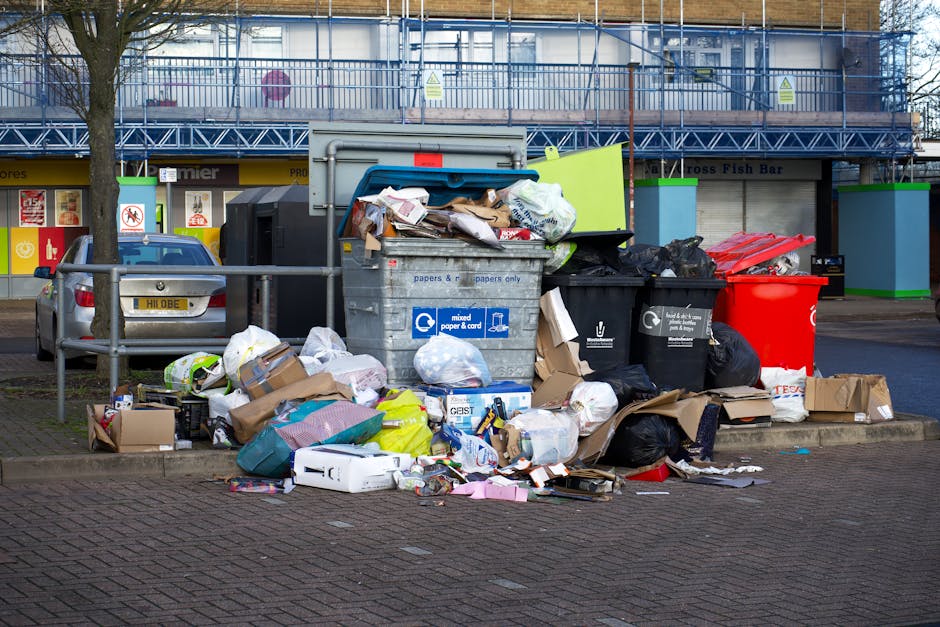
Many customers contact us because the waste is mixed rather than neatly bagged. Grass cuttings, hedge trimmings, leaves and small branches are all common, but so are items left behind after longer periods of neglect. You may have old compost bags, plant pots, broken fencing sections, turf offcuts or miscellaneous outdoor materials that no longer have a useful place. Garden clearance is designed to deal with that variety without turning it into a confusing project.
Where waste has been left to gather in corners, under shrubs or behind outbuildings, clearance may need to be done in stages so the area can be checked properly. That is especially useful when you are trying to distinguish between what is garden waste and what is general household rubbish. If the job includes outdoor storage areas, browse garage clearance as well, since similar sorting and removal methods can apply to adjoining spaces.
A sensible quotation usually depends on the amount of material, how dispersed it is and whether heavier sections need special handling. A pile that looks small from one angle can still take time if it is tangled through planting or scattered over several beds. For that reason, a clear description of the site tends to matter more than a rough label such as one load or some bags. The clearer the picture, the more dependable the estimate.
For homes, shared gardens and side returns
Garden clearance is not limited to one type of property. It can be used for house gardens, shared access areas, narrow side returns and outdoor spaces that sit between buildings or behind terraces. In these settings, the challenge is often access rather than volume. Waste may need to be carried through a passage, around steps or past existing planting, so the work has to be planned with the layout in mind. Careful movement protects both the property and the remaining garden features.
Some customers want a one-off tidy before a move, while others need clearance after a long period of growth or seasonal build-up. If the space is connected to a wider house move or occupancy change, it may help to compare it with house clearance or home clearance so the outdoor and indoor parts of the job are considered together. That can make the overall process easier to organise and less repetitive.
Where there are gates, shared paths or nearby neighbours, the main practical concern is usually how the waste will be moved out cleanly and without blocking access for too long. A good service keeps that in view from the start. We aim to work in a way that respects the property setting, with enough structure to keep the site manageable and enough flexibility to handle the way the garden is actually laid out.
How garden clearance is usually organised
Most clearance jobs begin with a quick understanding of the waste type, the access route and the parts of the garden that need to remain untouched. The clearer those points are, the easier it is to plan the work properly. Photographs, a short list of the main items and a note about any obstacles can all help. If there are steps, narrow widths, locked gates or items stored behind the waste, mention them early so the visit can be prepared for sensibly.
For many customers, the main question is not whether the garden can be cleared, but how the job will be handled with minimum disruption. It is useful to say whether the waste is loose, bagged, stacked or tangled, because that affects loading time and the likely method of removal. You can also use our contact page to ask for a quotation once you have gathered the basic details. Keeping the description concise but accurate usually gives the best result.
- State the type of waste, such as green cuttings, branches or mixed outdoor rubbish.
- Describe how much needs to go, even if the amount is only approximate.
- Note access issues, including narrow gates, shared entrances or steps.
- Say whether any items must be left in place or handled separately.
When these details are ready, it becomes easier to compare options and decide whether you need a simple collection or a more involved clearance visit. That is especially helpful when the garden has been used for storage as well as planting, because the work then needs to balance removal with care for the remaining space.
Garden waste, heavy materials and mixed loads

Not every garden clearance is made up of soft green waste. Some jobs include soil-filled containers, broken timber, old sleepers, fencing sections or builders' leftovers that have found their way into outdoor areas. Mixed loads need a practical approach because the different materials are handled in different ways. The job is still about clearance, but the method has to reflect the contents rather than treating everything as though it were the same.
Where heavier outdoor material is present, the layout of the pile matters. A compact stack of timber or panels is very different from a scattered mix of bags, pots and cut branches. We can also look at builders waste clearance if the garden includes rubble, offcuts or renovation debris alongside outdoor waste. Matching the work to the waste helps keep the quotation realistic and the removal efficient.
For some gardens, the right outcome is a simple clear-out. For others, the task is to restore enough order that the next stage can happen without obstruction, whether that means pruning, replanting or general tidying. A decent clearance service should therefore do more than carry things away; it should leave the remaining space easier to work with and easier to assess. That practical finish is often what customers value most.
Choosing the right scope for your outdoor clearance
It is worth deciding early whether you want only the visible waste removed or a broader clear-up that includes awkward corners, hidden piles and material behind sheds or planters. This is not about adding unnecessary work; it is about avoiding surprises once the team arrives. If the task is limited to one section of the garden, say so clearly. If the job includes several separate areas, identify them so the plan is complete from the start.
Some customers also want help with items that are not strictly garden waste but are still stored outdoors. That can include broken furniture, damaged tubs or unwanted household bits that have migrated outside. Where the scope overlaps with furniture removal, it may be worth checking furniture clearance for related removal work. Keeping each part of the job properly described helps ensure the quotation reflects the actual clearance rather than an assumption.
When a smaller visit is enough
A limited visit can be the right answer if the main issue is a single pile of cuttings or a narrow strip of waste near a boundary. In that case, the job may be straightforward and focused, with little need for a wider tidy-up. By contrast, a garden with different waste types spread across several zones may call for a more thorough approach. Matching the scope to the situation keeps the work proportionate and reduces unnecessary handling.
Keeping the work tidy and manageable
One of the most important parts of garden clearance is the methodical handling of the site while the waste is being removed. That includes moving materials without spreading loose debris, protecting areas that do not need to be cleared and keeping the route out of the property as tidy as possible. A garden often contains fragile edges and uneven ground, so steadiness matters more than speed. The object is controlled removal, not just a quick lift.
It can also help to think in terms of the final layout of the garden. If you are planning future work, you may want certain features left visible so they can be assessed later. In larger outdoor projects, people sometimes combine clearance with storage or room-making in neighbouring areas, which is why loft clearance can be relevant when surplus items are being moved out of the way elsewhere in the property. Even so, each area should still be treated on its own merits.
We keep the service focused on what is actually needed: removing waste, separating what remains and leaving a manageable space behind. That approach works well for customers who want a practical result without a lot of extras. Clarity, care and sensible loading are more useful than vague promises, especially when the garden contains a mix of materials and the access is not ideal.
About Archway

Archway is an area in North London within the London Borough of Islington, best known for the transport junction where Highgate Hill, Holloway Road and Junction Road meet. The name itself comes from the old road tunnel and later railway viaduct works that shaped the locality, and today the area sits within a busy urban landscape of terraces, shops and residential streets. Archway Underground station, on the Northern line, links the district with central London and surrounding parts of the city, while the nearby A1 corridor keeps the area firmly connected to long-established northbound routes. The locality has a strong sense of movement and layering: older housing, commercial frontages and modern developments sit close together, giving the place a varied streetscape rather than a single uniform character. Close by, Waterlow Park offers open green space on the edge of Highgate, and Hampstead Heath lies within reach to the west and south-west, adding a contrasting natural element to the largely built-up surroundings. Local architecture ranges from Victorian and Edwardian housing to later infill and transport-related structures, with the steep topography of the hill contributing to changing views along the main roads. The area also has cultural connections through nearby schools, community facilities and the broader life of north London, while the road network, buses and Underground access make it a notable point of passage as well as a place in its own right.
Garden clearance for seasonal overgrowth and long-standing waste
Some gardens need clearing because the waste has built up gradually, while others need work after a burst of growth in spring or summer. Seasonal cuttings can be handled efficiently when they are gathered before they compact, dry out or spread further. Long-standing waste is different, because it may have settled into the space, become partially hidden by plants or mixed with older household items. Both situations benefit from a measured clearance plan rather than a rushed grab-and-go approach.
We also handle situations where the outdoor waste has been left in separate pockets around the property. In those cases, it can help to clear from one end of the garden to the other, or from the nearest access point outward, so that the route stays open. If you need a related service for a larger amount of household waste, waste removal may be worth considering alongside the garden work. The right choice depends on what is actually present.
For quotation purposes, a good description should include whether the waste is mostly green material, whether there are heavy items mixed in, and whether anything is tied into structures or fences. Those differences can change the amount of manual handling required. The more precise the information, the easier it is to provide a sensible figure that reflects the job rather than an optimistic guess. That saves time on both sides and sets the work up properly.
Preparing a clear request for pricing

If you want a quotation, the most useful first step is to identify the main material and the access conditions. A short message is usually enough if it includes the type of waste, the approximate size of the pile and any limitations on carrying or parking nearby. It is also sensible to mention whether the waste is sitting on soil, paving or a shared route, because the surface can affect how the work is approached. Specifics matter more than length.
Some customers like to compare a few related services before deciding what to ask for. For example, if outdoor waste is part of a wider property tidy-up, a look at flat clearance or furniture disposal may help define what belongs in the request and what does not. Keep the request focused on the actual items to be removed, and avoid padding it with unrelated details that will not affect the quote.
When you are ready, send a concise description and ask for a quotation based on the waste that needs removing. If your garden has mixed materials, awkward access or several separate piles, include that in the same message so nothing is missed. You can request a quotation now and use the details you have to get the process moving in a practical, straightforward way.